Three editions, one classic
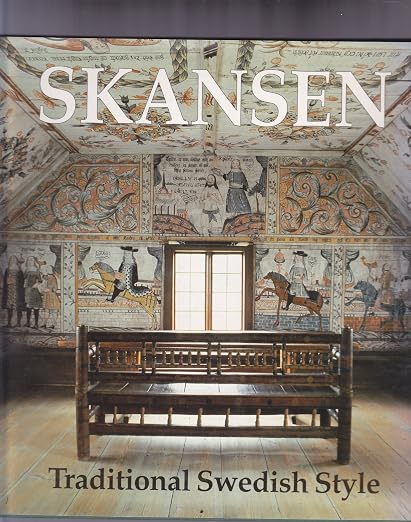
The same wonderful subject has appeared in three printings over the years. Pick the format that suits your shelf — each card links to a full guide.
A little history behind the book
Where Skansen came from, and why Edenheim's guide is the one we keep coming back to.
To understand the book it helps to know the place. Skansen sits on the green hill of Djurgården, just east of central Stockholm, and it opened its gates in 1891 — the first open-air museum the world had ever seen. The man behind it, Artur Hazelius, had watched rural Sweden change quickly as factories and railways spread, and he worried that an entire way of life was about to vanish unrecorded. His answer was unusual for the time: rather than collect small objects for a display case, he bought whole buildings — farmhouses, barns, a bell tower, even a small wooden church — dismantled them where they stood across the country, and rebuilt them, beam by beam, on this one hillside.
The name itself comes from an old earthwork fortification, a skans, that once stood on the slope. Today roughly 150 historic structures are gathered here, arranged so that a stroll across the grounds becomes a walk through the Swedish calendar and the Swedish map at the same time. Costumed interpreters bake, weave and work the forge; a town quarter recreates the trades of an old city street; and the seasons are still marked the traditional way, from the Midsummer pole in June to the candle glow of the Christmas market. Hazelius went on to found the Nordiska museet as well, but Skansen stayed his living, open-air idea of how a country remembers itself.
Ralph Edenheim spent years close to this material, and his book reads like a guided walk led by someone who knows every doorway. Around 150 colour photographs carry you from painted farmhouse parlours to summer cottages, kitchen gardens and quiet meadows, while the text patiently explains the things a casual visitor tends to miss — why a room was painted a particular shade of blue, how a storehouse was raised to keep grain dry, what a family's furniture quietly says about their means. It works as preparation for a real visit, as an armchair tour for anyone who loves Scandinavian design, and as a gentle introduction to Swedish folk culture for readers who simply enjoy a well-made book.
One practical wrinkle is the reason this small guide exists at all: the title has been printed in three different formats over the years, and they are easy to mix up when ordering. Below you'll find plain, side-by-side notes on each one, plus a direct link to its Amazon listing so you can check the current price and availability for yourself before you decide.